
Small changes that make a big difference.
Every child deserves to feel safe, calm, and understood at home — and for autistic children, the way a space is set up can have a huge impact on their comfort and wellbeing.
Creating an autism-friendly home doesn’t mean you need to renovate your house or buy expensive tools. It’s about making intentional choices that support your child’s sensory needs, routines, and emotional regulation.
Here’s how you can begin building a space where your child feels truly at home.
1. Understand Your Child’s Sensory Needs
Autistic children often experience the world in more intense or more muted ways. Some may be sensitive to sound, light, texture, or smells, while others seek out movement or pressure.
Try:
• Noise-cancelling headphones or soft background music
• Soft lighting (use lamps or dimmers instead of harsh overhead lights)
• Blackout curtains for better sleep and sensory regulation
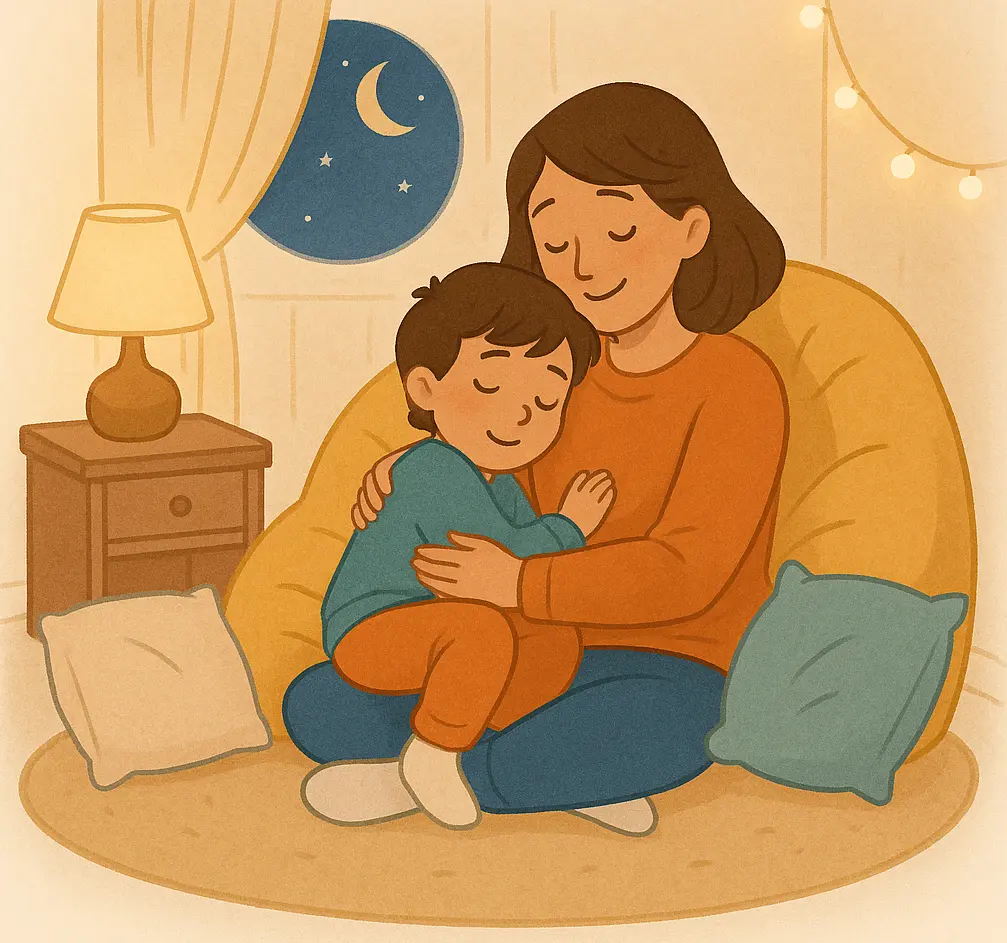
• A calm corner with weighted blankets, beanbags, or soft cushions
Tip: Watch how your child reacts to different environments. Their behavior is often their way of telling you what feels “too much” — or not enough.
2. Create Predictable Routines
Many autistic children thrive on routine. Knowing what to expect helps reduce anxiety and build confidence.
Try:
• Visual schedules or picture charts for daily tasks (Autinest has customizable ones!)
• A “first-then” board to show what’s happening now and what’s next
• Clear, consistent mealtimes, bedtimes, and transitions
💡 Tip: Keep transitions gentle — use timers, visual countdowns, or give your child a heads-up before changes.
3. Designate a Calm Space
A safe, quiet space gives your child somewhere to retreat when they feel overwhelmed — not as punishment, but for regulation.
Include:
• Soft textures (pillows, rugs, blankets)
• Low lighting or string lights
• Fidget toys, chewy necklaces, or stress balls
• A visual emotion chart or breathing prompts (Autinest’s calming feature can help here too!)
Tip: Let your child help design their calm space so it feels personal and safe.
4. Reduce Clutter and Visual Overload
Some autistic children are highly sensitive to visual clutter, which can make focusing, relaxing, or transitioning harder.
Try:
• Using labeled bins and boxes to organise toys or materials
• Keeping wall displays simple and calming (avoid too many patterns)
• Minimising background noise (TVs, fans, multiple voices at once)
💡 Tip: Keep frequently used items in predictable places — consistency builds independence.
5. Foster Communication
Whether your child speaks verbally or uses alternative ways to communicate, home should be a space where they feel heard and understood.
Try:
• Using visuals or symbols to support requests
• Giving choices (e.g. “Do you want the blue cup or the green cup?”)
• Creating communication-friendly zones with AAC devices or PECS
Tip: Focus on connection, not correction — meet your child where they are.
6. Involve the Whole Family
An autism-friendly home works best when everyone is on board. This helps your child feel accepted and understood, and also fosters stronger sibling and family relationships.
Try:
• Teaching siblings about sensory differences and communication styles
• Using shared visuals or routines for the whole family
• Practicing empathy, flexibility, and patience — together
Final Thoughts
An autism-friendly home is about honoring your child’s needs — not making your home perfect. It’s a process of learning, adjusting, and growing together.
Start small. Maybe with a calm corner. Or a visual routine. You don’t need to do it all at once. Every small change is a step toward making your child feel more safe, capable, and loved.
At Autinest, we’re here to support that journey — with tools, visuals, calming features, and more to help your child thrive.